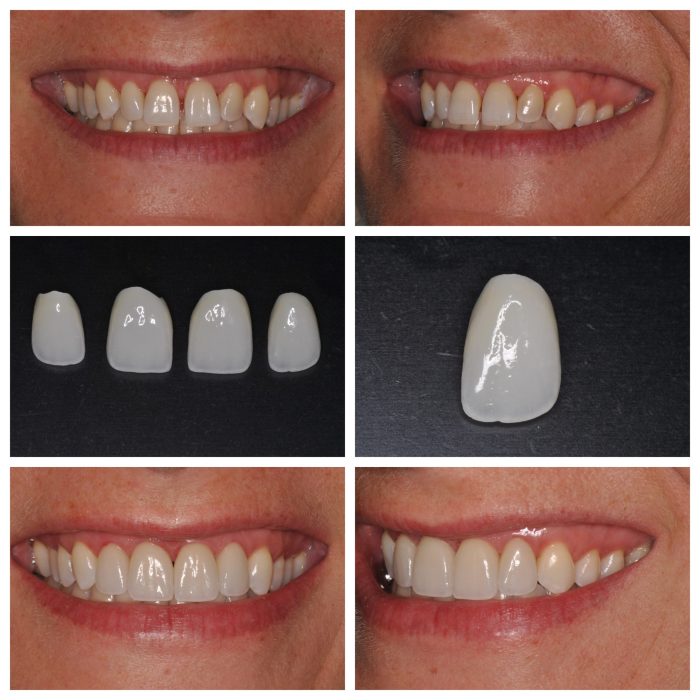
Kicking off with Veneers before and after, this topic dives into the transformative power of dental veneers, showcasing how they can dramatically enhance the appearance of your smile. These thin layers of material are designed to cover imperfections, offering a quick and effective solution for a more aesthetically pleasing look.
From the application process to the materials used, veneers promise significant changes in the way teeth look. With advancements in technology, the results can be customized to fit individual preferences, making it an exciting option for those seeking a new smile.
Veneers and Their Transformation
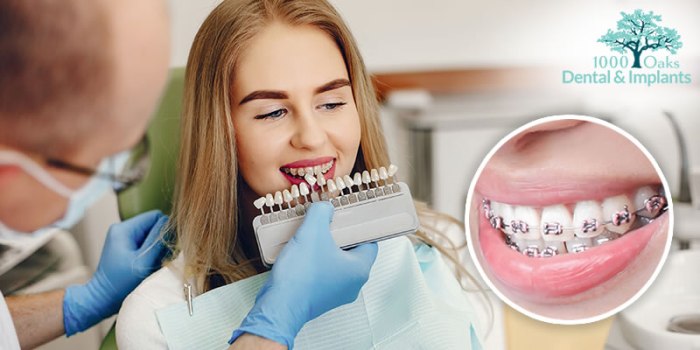
Veneers are a popular cosmetic dental solution designed to enhance the appearance of teeth, providing a significant transformation for those seeking a more radiant smile. These thin shells, typically made of porcelain or composite resin, are custom-made to fit over the front surface of teeth, effectively masking imperfections such as discoloration, chips, or misalignment.The process of applying veneers involves several key steps, ensuring that the end result not only improves aesthetics but also aligns with the individual’s dental health.
Initially, a consultation is required, during which the dental professional evaluates the patient’s teeth and discusses desired outcomes. Following this, a minimal amount of enamel may be removed from the teeth to ensure a proper fit for the veneers. Impressions are then taken and sent to a dental lab where the veneers are crafted. Once ready, the veneers are bonded to the teeth using a special adhesive, and any necessary adjustments are made for a perfect bite and appearance.
Materials Used in Veneers
The choice of materials for veneers plays a crucial role in their final appearance and durability. The two most common materials used are porcelain and composite resin, each offering distinct characteristics. The advantages of these materials include:
- Porcelain: Known for its strength and resistance to stains, porcelain veneers mimic the natural translucency of teeth, providing a lifelike appearance. They are particularly effective for individuals with significant discoloration or those looking for a long-lasting solution.
- Composite Resin: This material is often more affordable and can be applied in a single visit. While it may not be as durable as porcelain, advancements in technology have improved its aesthetic qualities, offering a good alternative for minor corrections.
The impact of these materials is evident in various case studies, showcasing substantial improvements in aesthetics. For instance, a patient with severely stained teeth opted for porcelain veneers, resulting in a transformation that not only brightened their smile but also enhanced their confidence. Similarly, another case involved a patient with chipped teeth who chose composite resin veneers, achieving a seamless look that restored their youthful appearance.In both instances, the choice of material significantly affected the final result, illustrating the importance of selecting the right type of veneer for individual needs and preferences.
Such transformations are a testament to the effectiveness of veneers in achieving a stunning smile makeover.
Benefits and Considerations of Veneers
Veneers have become a popular choice in cosmetic dentistry, offering a unique solution for enhancing the appearance of teeth. These thin shells, usually made from porcelain or composite resin, are designed to cover the front surface of teeth, providing a natural-looking enhancement. Understanding the benefits and considerations associated with veneers can help individuals make informed decisions about their cosmetic dental options.One of the primary advantages of veneers over other cosmetic dental options, such as crowns or orthodontics, is their ability to deliver significant aesthetic improvements with minimal alteration to the tooth structure.
Veneers are often preferred due to their ability to mask imperfections like discoloration, chips, and gaps without the need for extensive dental work. Additionally, the application of veneers is less invasive compared to crowns, which typically require more tooth reduction.
Longevity and Durability of Veneers
When considering veneers, it’s essential to evaluate their longevity and durability compared to alternative treatments. Veneers are known for their resilience and can last between 10 to 15 years or even longer with proper care. The materials used in veneers, especially high-quality porcelain, are designed to withstand everyday wear and tear while providing a stunning aesthetic appearance. In comparison, other cosmetic treatments may offer different levels of durability.
For instance, teeth whitening results can fade within months, requiring repeated treatments, while crowns can last from 5 to 15 years, depending on the material used and the care they receive. It’s crucial to maintain good oral hygiene and visit the dentist regularly to maximize the lifespan of veneers.
Risks and Downsides of Getting Veneers
While veneers come with numerous benefits, there are potential risks and downsides that individuals should consider before proceeding with treatment. Some of these include:
Irreversibility
The process of placing veneers often requires the removal of a thin layer of enamel from the teeth, making it a largely irreversible procedure. Once enamel is removed, it cannot be replaced, which means that patients will need to maintain veneers or switch to crowns in the future.
Sensitivity Issues
After the application of veneers, some individuals may experience tooth sensitivity to hot or cold temperatures. This sensitivity can be temporary but may persist in some cases.
Potential for Staining
While porcelain veneers are highly resistant to staining, composite resin veneers can become discolored over time, especially if exposed to certain foods and beverages like coffee, tea, or red wine. This necessitates careful consideration of dietary habits to maintain the appearance of the veneers.
Cost Considerations
Veneers can be more expensive than other cosmetic options, and often, dental insurance does not cover cosmetic procedures. This cost factor is vital to consider when weighing the benefits against potential financial implications.
Veneers offer a remarkable transformation in smile aesthetics, but potential patients should carefully weigh the benefits against the risks and costs involved.
Dentistry Techniques and Innovations
Recent years have seen remarkable advancements in dentistry, particularly in cosmetic procedures like veneers. Innovations in techniques and technology are revolutionizing how dental professionals enhance smiles, making treatments more efficient, precise, and patient-friendly. These advancements not only improve aesthetic outcomes but also ensure that the procedures are less invasive and more comfortable for patients.
Digital technology plays a crucial role in the design and application of veneers. With the advent of computer-aided design (CAD) and 3D printing technologies, dental practitioners can create highly accurate models of patients’ teeth. This digital approach allows for tailored solutions that cater to individual needs, enhancing both the fit and the look of the veneers. Furthermore, the use of virtual simulations helps patients visualize the end result before any physical adjustments are made.
Types of Veneers and Their Applications
Understanding the various types of veneers available can assist in making informed decisions regarding cosmetic dental procedures. The following table summarizes the different types of veneers and their specific applications in dentistry:
| Type of Veneer | Material | Application |
|---|---|---|
| Porcelain Veneers | Porcelain | Used for significant cosmetic changes, offering durability and a natural look. |
| Composite Veneers | Composite resin | Ideal for minor adjustments and cost-effective solutions, though not as durable as porcelain. |
| Lumineers | Ultra-thin porcelain | Requires minimal tooth preparation and can be removed easily, making them a reversible option. |
| CAD/CAM Veneers | Porcelain/composite | Created using digital scans and 3D printing, allowing for quick and precise fitting in a single visit. |
Each type of veneer has unique benefits and ideal use cases, enabling dental professionals to customize treatments to meet the specific aesthetic goals and dental health needs of their patients. Recent innovations in digital dentistry enhance these options further, making it easier to achieve beautiful and lasting results.
Final Review
In summary, the journey of Veneers before and after reveals not just a cosmetic enhancement but a significant boost in confidence and self-esteem. As we’ve explored the benefits, risks, and innovative techniques behind veneers, it’s clear that they offer a remarkable transformation for anyone looking to improve their smile.
Essential Questionnaire
How long do veneers last?
Veneers typically last between 10 to 15 years with proper care and maintenance.
Are veneers reversible?
No, the process of applying veneers usually involves removing a small layer of enamel, making it irreversible.
Do veneers stain?
While porcelain veneers are stain-resistant, they can still discolor over time if not cared for properly.
Can anyone get veneers?
Most people can get veneers, but a consultation with a dentist is necessary to determine suitability based on dental health.
How are veneers applied?
The application process involves consultation, tooth preparation, and bonding the veneers to the teeth with a special adhesive.