Kicking off with Biotechnology in medicine, this field holds the promise of revolutionizing healthcare through innovative applications and groundbreaking technologies. From developing life-saving vaccines to advancing personalized treatment plans, biotechnology is at the forefront of medical breakthroughs that significantly improve patient outcomes.
This exciting discipline encompasses gene therapy techniques that target genetic disorders, the creation of biopharmaceuticals such as monoclonal antibodies, and remarkable advancements in dental care, showcasing the vast potential of biotechnology to transform traditional medicine into a more precise and effective practice.
Biotechnology applications in medicine
Biotechnology has revolutionized the medical field by enhancing the efficiency of diagnosis, treatment, and prevention of diseases. With advances in genetic engineering, molecular biology, and bioprocessing, biotechnology offers innovative solutions that improve patient outcomes and provide new avenues for research and development.
Applications of Biotechnology in Developing Vaccines
Biotechnology plays a crucial role in the development of vaccines, particularly through the use of recombinant DNA technology and mRNA platforms. These methods allow for the rapid design and production of vaccines that can respond to emerging infectious diseases.One prominent example is the use of mRNA technology in the development of COVID-19 vaccines. The Pfizer-BioNTech and Moderna vaccines utilize synthetic mRNA to instruct cells to produce a harmless piece of the spike protein found on the surface of the SARS-CoV-2 virus.
This prompts an immune response without causing disease, providing an effective way to confer immunity.Another innovative approach is the use of vector-based vaccines, such as the Ebola and Zika vaccines. These vaccines use harmless viruses to deliver genetic material from the target pathogen, stimulating a robust immune response. The flexibility and speed of these biotechnological methods allow for swift development and deployment during public health emergencies.
Gene Therapy Techniques for Treating Genetic Disorders
Gene therapy is a transformative approach that involves altering the genes inside a patient’s cells to treat or prevent disease. This application of biotechnology has shown promise in treating various genetic disorders, including cystic fibrosis, hemophilia, and certain types of inherited blindness.One notable technique is the use of viral vectors to deliver therapeutic genes into patient cells. For example, the Luxturna treatment for inherited retinal disease employs an adeno-associated virus (AAV) to deliver a functional copy of the RPE65 gene directly into retinal cells, resulting in restored vision for some patients.Another approach is CRISPR-Cas9 gene editing, which allows for precise alterations of the DNA sequence.
This technique has been used in experimental treatments for sickle cell disease and beta-thalassemia, where researchers have successfully edited the genes responsible for these disorders, leading to significant improvements in patient health.
Role of Biotechnology in Personalized Medicine
Biotechnology is at the forefront of personalized medicine, which tailors medical treatment to the individual characteristics of each patient. By leveraging genetic, environmental, and lifestyle factors, biotechnology enables more accurate diagnoses and treatment plans.One key application is pharmacogenomics, which studies how genes affect a person’s response to drugs. By analyzing a patient’s genetic makeup, healthcare providers can predict which medications will be most effective and which may cause adverse effects.
For instance, patients with variations in the CYP2D6 gene may metabolize certain antidepressants differently, leading to more personalized and effective treatment regimens.Additionally, biotechnology facilitates the development of targeted therapies, such as monoclonal antibodies for cancer treatment. These therapies are designed to specifically target cancer cells based on their genetic profile, reducing damage to healthy cells and improving treatment efficacy. The use of therapies like trastuzumab (Herceptin) for HER2-positive breast cancer exemplifies this shift towards tailored treatment strategies.
Impact of biotechnology on drug development
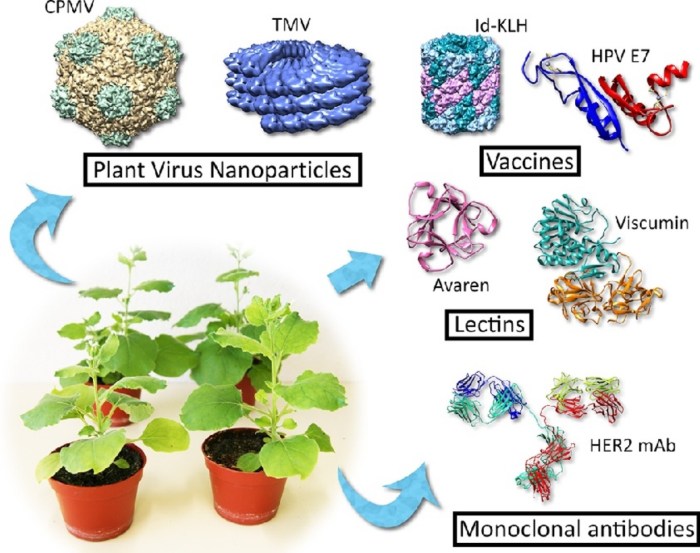
Biotechnology has transformed the landscape of drug development, enabling the creation of innovative therapies and enhancing the efficiency of traditional processes. The integration of biological systems into drug design has led to significant advancements in treating various diseases, showcasing the power of living organisms in medicine.
Creation of biopharmaceuticals and the significance of monoclonal antibodies
The process of creating biopharmaceuticals typically involves several stages, starting with the identification of target proteins, often linked to specific diseases. Scientists utilize techniques such as recombinant DNA technology, where genes coding for therapeutic proteins are inserted into host cells, allowing for mass production. One of the most significant advancements in this area is the development of monoclonal antibodies.Monoclonal antibodies (mAbs) are laboratory-made molecules engineered to serve as substitute antibodies that can restore, enhance, or mimic the immune system’s attack on cells.
Their significance in drug development is profound, as they offer targeted therapy for conditions like cancer, autoimmune disorders, and infectious diseases. mAbs have been pivotal in lowering side effects and improving the efficacy of treatments, representing a monumental leap in personalized medicine.
Advantages of using biotechnology in drug design and development
Utilizing biotechnology in drug design brings forth a multitude of advantages that enhance the overall drug development process. These advantages include:
- Precision: Biotechnology allows for the design of drugs that target specific molecules or pathways within the body, resulting in fewer side effects and improved treatment outcomes.
- Efficiency: The use of biological systems can streamline the development process, reducing time from discovery to market.
- Scalability: Biologics can be produced in large quantities using cell cultures, making it easier to meet market demands once a drug is approved.
- Novel therapies: Biotechnology enables the exploration of previously inaccessible targets, leading to the development of innovative treatments for complex diseases.
Comparison between traditional drug development and biotechnology-based approaches
The differences between traditional drug development and biotechnology-based approaches are marked by their methodologies, timelines, and outcomes. In traditional drug development, the process often begins with extensive chemical synthesis and high-throughput screening of compounds. This approach can be time-consuming and may result in drugs that lack specificity and have a higher incidence of adverse effects. In contrast, biotechnology-based approaches emphasize a more targeted mechanism of action, focusing on biologics derived from living organisms.
This paradigm shift has resulted in:
| Aspect | Traditional Drug Development | Biotechnology-based Approaches |
|---|---|---|
| Target Identification | Often targets broad pathways | Specific molecular targets |
| Development Timeline | Longer, often over a decade | Shorter due to streamlined processes |
| Safety and Efficacy | Higher risk of side effects | More tailored with fewer side effects |
| Examples | Small-molecule drugs like aspirin | Monoclonal antibodies like trastuzumab |
The shift towards biotechnology-based approaches has revolutionized the pharmaceutical industry, emphasizing the importance of targeted therapies and paving the way for future innovations in medicine.
Biotechnology in dentistry
Recent advancements in biotechnology have significantly transformed the field of dentistry, paving the way for innovative solutions in oral health care. These advancements range from the regeneration of dental tissues to the development of new dental materials and innovative diagnostic tools. As the integration of biotechnology continues to evolve, it presents numerous opportunities for enhancing patient care and improving treatment outcomes in dental practice.
Advancements in dental tissue regeneration
Biotechnology has introduced remarkable techniques for regenerating dental tissues, such as enamel, dentin, and periodontal tissues. Concepts like tissue engineering harness the body’s own healing processes alongside biomaterials to promote regeneration. A notable method involves the use of stem cells derived from dental pulp or periodontal tissues, which can differentiate into various cell types essential for tissue repair. For instance, studies have demonstrated the successful application of human dental pulp stem cells (hDPSCs) in regenerating dentin-like structures in vitro, offering a potential pathway for repairing damaged teeth.Another promising approach is the use of growth factors, such as bone morphogenetic proteins (BMPs) and platelet-derived growth factor (PDGF), which can stimulate the regeneration of periodontal tissues.
These biomolecules are embedded in scaffolds designed to mimic the natural extracellular matrix, providing a conducive environment for cell growth and tissue healing.
Integration of biotechnology in the development of dental materials
The dental materials industry has benefited greatly from biotechnological innovations, leading to the creation of more effective and biocompatible materials. Advanced materials such as bioactive glass, which releases ions that stimulate the regeneration of hard tissues, are now being used in restorative dentistry. Moreover, the development of smart materials that respond to environmental stimuli is on the rise. For example, self-healing dental composites utilize microcapsules that release healing agents when a crack occurs, thereby extending the lifespan of restorations.
In addition, advancements in 3D printing technology allow for the precise fabrication of dental prosthetics and implants tailored to individual patient needs. This customization not only enhances fit and comfort but also improves aesthetic outcomes, ensuring that dental restorations align seamlessly with natural dentition.
Innovative uses of biotechnology for oral disease diagnosis and treatment
Biotechnology has revolutionized the diagnosis and treatment of oral diseases, improving the precision and effectiveness of interventions. The incorporation of molecular diagnostics, such as PCR (Polymerase Chain Reaction) and next-generation sequencing, allows for the detection of oral pathogens at a genetic level. These technologies enable clinicians to identify specific bacteria responsible for conditions like periodontitis more accurately. Furthermore, biosensors are emerging as a valuable tool in monitoring oral health.
These devices can detect biomarkers in saliva that correlate with various oral diseases, providing real-time feedback on a patient’s oral health status. For instance, a biosensor designed to detect specific inflammatory markers can aid in early diagnosis and personalized treatment plans for patients suffering from periodontal disease.In the realm of treatment, biotechnology-driven approaches, such as the use of antimicrobial peptides, offer novel strategies for combating oral infections.
These peptides have demonstrated efficacy against various oral pathogens, presenting an alternative to traditional antibiotics, which are increasingly challenged by resistance.
“Biotechnology is not just changing the way we treat dental issues; it is redefining the entire landscape of oral health.”
Closing Notes
In summary, the impact of Biotechnology in medicine is profound and multifaceted, shaping the future of healthcare with its cutting-edge applications and methodologies. As we continue to explore its full potential, the promise of more effective therapies and improved patient care becomes ever more tangible, painting a hopeful picture for the future of medicine.
Top FAQs
What is biotechnology in medicine?
Biotechnology in medicine involves using biological processes and organisms to develop products and technologies for healthcare purposes, such as vaccines, therapies, and diagnostics.
How does biotechnology improve drug development?
Biotechnology enhances drug development by enabling more precise targeting of diseases, reducing development time, and increasing the efficacy of treatments through techniques like genetic engineering.
Can biotechnology be used in preventive medicine?
Yes, biotechnology plays a key role in preventive medicine through the development of vaccines and genetic screening, which can help identify risks and prevent diseases before they occur.
What are monoclonal antibodies?
Monoclonal antibodies are lab-made molecules that can mimic the immune system’s ability to fight off harmful pathogens; they are used in treatments for various conditions, including cancer.
How is biotechnology changing dentistry?
Biotechnology is changing dentistry by introducing methods for tissue regeneration, developing new dental materials, and improving diagnostics for oral diseases.