Antiviral medication updates are crucial in our ongoing battle against viral infections, especially as new threats emerge. With advancements in drug formulation and innovative delivery methods, the effectiveness of these medications continues to evolve. The COVID-19 pandemic has particularly accelerated research and development in this field, making it a hotbed of activity and interest for healthcare professionals and patients alike.
This discussion will explore the latest trends in antiviral medications, the underlying mechanisms that make them effective, and their applications in areas such as dentistry. As we navigate through these topics, we’ll uncover how both traditional and novel antivirals work to combat viral replication and enhance patient outcomes.
Current Trends in Antiviral Medications
The landscape of antiviral medications is continually evolving, especially in light of recent viral outbreaks that underscore the need for innovative treatments. With the emergence of new viruses, the focus has shifted towards rapidly developing effective antivirals that can address these challenges. The acceleration of research and development in this area has highlighted not only the effectiveness of these drugs but also the advancements in drug formulation and delivery methods that enhance their application in clinical settings.Recent developments in antiviral medications have showcased promising results against various viral infections, particularly in response to the COVID-19 pandemic.
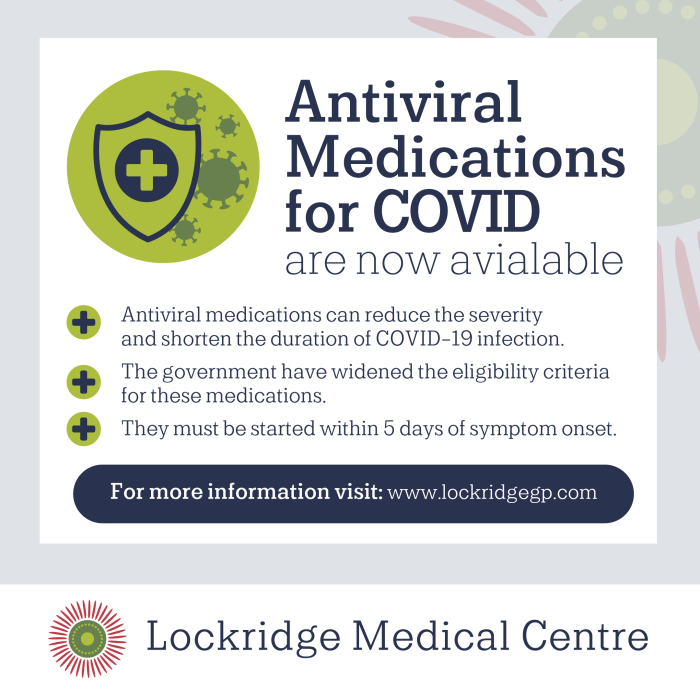
The urgency of addressing SARS-CoV-2 led to the accelerated development of medications such as molnupiravir and nirmatrelvir/ritonavir, which demonstrate effectiveness in reducing the severity of COVID-19 symptoms and preventing hospitalization. Research has also pivoted toward understanding the mechanisms of action of these drugs against variants of concern, providing insights that can shape future antiviral strategies.
Emerging Antiviral Medications
Several antiviral medications have emerged as key players in the fight against viral infections. Their effectiveness has been closely observed in clinical trials and real-world applications. The following includes notable examples of these developments:
- Molnupiravir: This oral antiviral has shown promise in treating COVID-19 by inhibiting viral replication. Early studies indicated a reduction in hospitalization rates among high-risk patients.
- Nirmatrelvir/ritonavir (Paxlovid): This combination therapy targets the main protease of SARS-CoV-2, demonstrating significant efficacy in clinical trials for preventing severe outcomes in COVID-19 patients.
- Remdesivir: Originally developed for Ebola, this drug has been repurposed for COVID-19, shortening recovery times in hospitalized patients and highlighting the potential of cross-application in antiviral therapies.
Advancements in drug formulation and delivery methods have played a crucial role in enhancing the effectiveness of antiviral treatments. Innovations such as nanotechnology and lipid nanoparticles have improved the bioavailability and targeted delivery of antiviral agents. These technologies allow for more efficient drug absorption and may reduce side effects, making treatments more tolerable for patients.
Advancements in Drug Formulation and Delivery Methods
The field of antiviral drug formulation has seen substantial progress, with researchers exploring various delivery systems to optimize the therapeutic efficacy of antiviral medications. These advancements are crucial for improving patient outcomes and increasing adherence to treatment regimens.
- Nanoparticle-based delivery: This method utilizes nanoparticles to encapsulate antiviral drugs, enhancing their stability and absorption in the bloodstream. Such formulations can lead to lower doses being required, reducing potential side effects.
- Lipid-based formulations: Lipid nanoparticles facilitate the delivery of mRNA vaccines and antiviral drugs, allowing for a more effective immune response and increasing the concentration of the drug at the site of action.
- Intranasal delivery systems: Research into intranasal formulations for antiviral medications aims to provide rapid onset of action for respiratory viruses by delivering the drug directly to the respiratory tract.
The impact of COVID-19 has reshaped antiviral drug development priorities, redirecting research funding and focus toward viral diseases with pandemic potential. This has resulted in heightened collaboration between public health organizations, pharmaceutical companies, and academic institutions, fostering an environment conducive to rapid innovation. As we look ahead, the focus on broad-spectrum antivirals that can target multiple viruses may become the standard in antiviral research, ensuring preparedness for future outbreaks.
“The real-world application of antiviral agents has demonstrated their critical role in managing recent viral outbreaks and emphasizes the need for continued innovation in this field.”
Mechanisms of Action for Antiviral Drugs
Antiviral medications play a crucial role in controlling viral infections by targeting various stages of the viral life cycle. Understanding their mechanisms of action is essential for developing effective treatment strategies. This section delves into how different classes of antiviral agents inhibit viral replication while highlighting the advancements made in newly developed antivirals compared to traditional options. Additionally, the interplay between antiviral drugs and host immune responses is explored to enhance their efficacy.
Inhibition of Viral Replication
Antiviral drugs employ several mechanisms to interfere with viral replication. Each class of antiviral has a unique method of action, which can be categorized based on their target within the viral life cycle.
- Nucleoside Analogues: These antivirals, such as acyclovir and ribavirin, mimic the building blocks of viral DNA or RNA. By incorporating themselves into the viral genome, they disrupt replication, leading to premature termination of the nucleic acid chain.
- Protease Inhibitors: Drugs like ritonavir and saquinavir target viral proteases, enzymes necessary for cutting large polyproteins into functional viral proteins. Inhibition of these enzymes prevents the maturation of infectious virions.
- Neuraminidase Inhibitors: Oseltamivir and zanamivir are examples that block the neuraminidase enzyme in influenza viruses. This action prevents the release of new viral particles, effectively hindering the spread of the virus in the host.
- Entry Inhibitors: Medications such as enfuvirtide and maraviroc block the entry of viruses into host cells by inhibiting specific receptors or fusion processes, crucial for viral invasion.
Comparison of Traditional and Newly Developed Antivirals
The landscape of antiviral medications has evolved significantly with the introduction of novel agents. While traditional antivirals focus on inhibiting viral replication directly, newer drugs often take a multifaceted approach, enhancing treatment outcomes.
- Direct Antivirals: Traditional antivirals primarily target viral enzymes or structural components, inhibiting their functions. For example, older HIV treatments like zidovudine inhibit reverse transcriptase, preventing viral replication.
- Host-Targeted Therapies: Newer agents, such as interferons and monoclonal antibodies, modulate host immune responses to better equip the body in fighting off infections. These therapies can enhance antiviral effects through the activation of immune pathways.
- Broad-Spectrum Approach: Recent developments in antivirals, like favipiravir, aim to be effective against various viruses, signifying a shift towards broad-spectrum agents that can tackle multiple viral targets, as opposed to traditional drugs limited to specific viruses.
Role of Host Immune Responses
The efficacy of antiviral medications can be significantly enhanced by the host’s immune response. These responses can act synergistically with antiviral therapies to achieve better patient outcomes.
- Innate Immunity: The body’s first line of defense, such as interferons, can inhibit viral replication and enhance the antiviral effects of medications. For instance, interferons can induce an antiviral state in neighboring cells, making it harder for the virus to spread.
- Adaptive Immunity: The development of antibodies through vaccination or previous infections provides a critical enhancement to antiviral therapy. Antibodies can neutralize viruses, while T cells can eliminate infected cells.
- Immunomodulation: Certain antiviral therapies include immunomodulating agents to boost the immune response, such as combining antiviral drugs with immune checkpoint inhibitors in the treatment of chronic viral infections.
“Understanding the mechanisms of action for antiviral drugs allows for better-targeted therapies and improved patient care.”
Antiviral Medications in Dentistry

Antiviral medications play a crucial role in managing oral infections stemming from viral diseases, particularly those that manifest in the oral cavity. Conditions such as herpes simplex virus (HSV) infections, which can lead to painful lesions, require effective antiviral therapy to alleviate symptoms and promote healing. In the dental setting, the understanding and appropriate usage of these medications can significantly enhance patient care and outcomes during treatment.Antiviral medications can help reduce the severity and duration of viral infections, thereby minimizing complications associated with oral health.
Dental professionals must be well-versed in the protocols for prescribing and administering these medications, particularly during viral outbreaks. This knowledge is essential for ensuring that patients receive timely and effective treatment while also safeguarding public health.
Protocols for Using Antivirals in Dental Practices
Establishing clear protocols for the use of antiviral medications in dental practices is vital, especially during viral outbreaks. These protocols help ensure the safety of both patients and dental staff, as well as optimize treatment efficacy. The following are key components of these protocols:
- Assessment of Patient History: A thorough review of the patient’s medical history should be conducted to identify any prior antiviral use, allergies, or contraindications.
- Diagnosis Confirmation: Accurate diagnosis of the viral infection is necessary to determine the appropriate antiviral therapy and dosage.
- Prescription Guidelines: Dentists must adhere to established guidelines for antiviral medications, such as acyclovir or valacyclovir, ensuring the right dosage and duration for treatment.
- Infection Control Measures: Implementing strict infection control protocols to prevent the transmission of viral pathogens during dental procedures is essential, particularly when treating patients with known viral infections.
- Monitoring Patient Response: Regular follow-ups to monitor the patient’s response to antiviral therapy are important for adjusting treatment as necessary.
Patient Education Guide on Antiviral Medications for Oral Health
Educating patients about the use of antiviral medications can empower them to manage their oral health effectively. A well-designed patient education guide should include the following key points:
- Understanding Viruses: An overview of common oral viruses, such as HSV and their implications for oral health.
- Role of Antivirals: Explanation of how antiviral medications work, their benefits, and why they are prescribed in dental settings.
- Proper Use: Instructions on taking antiviral medications, including timing, dosage, and potential side effects.
- Oral Hygiene Practices: Recommendations for maintaining good oral hygiene to support recovery and prevent future outbreaks.
- When to Seek Help: Guidance on recognizing symptoms that warrant a return visit to the dentist or healthcare provider.
“Antiviral medications can significantly reduce the impact of viral infections on oral health, leading to better patient outcomes and enhanced quality of life.”
Conclusion
In summary, keeping abreast of antiviral medication updates is essential for understanding how we can better manage viral diseases. As we have seen, advancements in this field not only improve treatment options but also pave the way for better patient education and care protocols. By staying informed about these developments, we can enhance our response to current and future viral threats effectively.
FAQ Summary
What are the newest antiviral medications available?
New antiviral medications include novel formulations targeting recent viral outbreaks, with ongoing research into their effectiveness.
How do antivirals differ from antibiotics?
Unlike antibiotics that target bacteria, antivirals specifically inhibit the replication of viruses.
Can antiviral medications be used in dental practices?
Yes, they are important for managing oral infections linked to viral diseases and are used according to specific protocols.
Are there any side effects of antiviral medications?
Yes, like all medications, antivirals may have side effects, which can vary depending on the specific drug used.
How do patient immune responses affect antiviral effectiveness?
A strong immune response can enhance the efficacy of antiviral drugs, improving outcomes in treatment.