Invisalign vs braces often sparks a lively debate among those seeking to straighten their teeth. Each option has its unique benefits and drawbacks, making it crucial to understand the differences before making a decision. Whether it’s about aesthetics, comfort, or lifestyle adjustments, this comparison will guide you through the essential factors to consider.
From the visibility of metal braces to the nearly invisible aligners of Invisalign, the choice isn’t just about looks. Comfort levels during treatment, eating habits, and even the financial implications can all influence your journey to a perfect smile. Let’s dive deeper into each aspect to help you find the best fit for your orthodontic needs.
Comparison of Invisalign and Braces
When it comes to straightening teeth, both Invisalign and traditional braces offer effective solutions, each with its unique advantages and considerations. Choosing the right option depends on individual preferences, lifestyle, and specific dental needs. The following sections will explore the effectiveness, visibility, and treatment duration associated with each method.
Effectiveness of Invisalign and Traditional Braces
Both Invisalign and traditional braces are designed to align teeth, but they achieve this through different mechanisms. Traditional braces use metal brackets and wires to exert continuous pressure on the teeth, which allows for precise control of tooth movement. They are particularly effective for complex dental issues, such as severe crowding or significant misalignment. On the other hand, Invisalign utilizes a series of custom-made, clear plastic aligners that gradually shift teeth into their desired positions.
While Invisalign is effective for many orthodontic problems, it may not be suitable for more severe cases where traditional braces would be preferable.
Visibility of Invisalign Aligners and Metal Braces
One of the most significant differences between Invisalign and traditional braces is their visibility. Traditional braces consist of noticeable metal brackets and wires, making them quite conspicuous, especially in social and professional settings. In contrast, Invisalign aligners are virtually invisible, which is a major selling point for many adults and teens who wish to maintain a discreet appearance while undergoing orthodontic treatment.
This aesthetic advantage often leads to increased confidence for users during the treatment process.
Duration of Treatment for Invisalign and Braces
The duration of treatment can vary significantly between Invisalign and traditional braces. Typically, treatment with braces may last anywhere from 18 months to 3 years, depending on the complexity of the case. In contrast, Invisalign treatment generally takes about 12 to 18 months for most patients. However, this timeline can fluctuate based on individual factors such as age, compliance with wearing the aligners for the recommended 20-22 hours per day, and the complexity of the orthodontic case.
Regular check-ups with the orthodontist are crucial for both methods to ensure treatment stays on track.
“Choosing the right orthodontic treatment is essential for achieving the smile you desire, whether through traditional braces or Invisalign.”
Comfort and Lifestyle Considerations
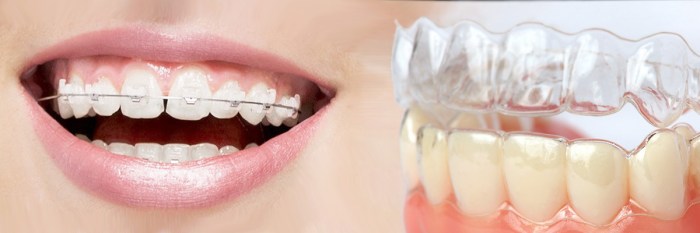
Choosing between Invisalign and braces involves evaluating not just the aesthetic appeal but also the comfort and adjustments to your daily routine. Both options have unique features that cater to different lifestyles and preferences. Understanding these differences can help you make an informed decision that best fits your needs.When it comes to comfort, Invisalign aligners are designed to offer a smoother experience compared to traditional braces.
The aligners are custom-made from thin, clear plastic, which means they are less likely to irritate the gums and cheeks. On the other hand, braces consist of metal brackets and wires, which can cause discomfort, especially after adjustments and during the first days after installation. While some may find braces bothersome initially, most adapt over time, though the initial period can involve soreness.
Daily Activities Impact
The choice between Invisalign and braces significantly influences daily activities, particularly eating and maintaining oral hygiene. Invisalign aligners can be removed easily, allowing for unrestricted eating and drinking. Users can enjoy their favorite foods without worrying about damaging their orthodontic appliances. After meals, it’s crucial to brush and floss before reinserting the aligners to maintain optimal oral hygiene. In contrast, braces require more careful consideration during meals.
Certain foods, such as popcorn, hard candy, and sticky substances, should be avoided to prevent damage to the brackets. The process of cleaning teeth with braces can also be more complex. Brushing requires maneuvering around brackets and wires, making it essential to dedicate extra time to oral hygiene routines to prevent plaque buildup.
Lifestyle Adjustments
Adopting either Invisalign or braces demands specific lifestyle changes that can influence everyday life and comfort.For those opting for braces, regular visits to the orthodontist for adjustments are necessary, which may require taking time off from work or school. Additionally, patients might experience some speech adjustments initially due to the presence of brackets, though these usually resolve with time. Invisalign wearers must commit to wearing their aligners for 20 to 22 hours daily, which may be challenging for some.
This commitment necessitates planning ahead, especially during social events, as aligners must be removed for eating and drinking. It also calls for a conscientious approach to ensure they stay clean and undamaged when not being worn.Overall, both options have their comfort levels and lifestyle implications. Understanding these factors can help you choose the right path for a straighter smile that aligns with your daily life preferences.
Cost and Insurance Implications
When it comes to making a decision between Invisalign and traditional braces, understanding the financial aspects is crucial. The costs associated with each orthodontic treatment can significantly influence your choice, not to mention the potential insurance coverage that may apply. In this section, we will dive into the average costs of both treatments, explore insurance implications, and present a detailed comparison of payment options available.
Average Costs of Treatment
The cost of orthodontic treatment varies widely based on several factors, including geographical location, the complexity of the case, and the orthodontist’s expertise. Generally, here’s a breakdown of the average costs:
| Orthodontic Treatment | Average Cost Range |
|---|---|
| Invisalign | $3,000 – $8,000 |
| Braces | $2,500 – $7,500 |
Invisalign tends to be slightly more expensive due to the advanced technology and materials used in creating the clear aligners. However, costs can vary based on the number of aligners needed and the duration of treatment, which typically ranges from 12 to 18 months. Traditional braces, which usually involve metal brackets and wires, may be more affordable initially but can lead to additional costs for maintenance and adjustments.
Insurance Coverage Considerations
Insurance coverage can play a significant role in offsetting the cost of orthodontic treatments. Many dental insurance plans offer coverage for orthodontic work, but the extent of that coverage can differ between Invisalign and braces.When evaluating insurance options, it’s essential to consider the following points:
- Many insurance plans cover a portion of the costs for both Invisalign and braces, but they frequently have a maximum benefit limit for orthodontic treatments, often ranging from $1,000 to $3,000.
- Some plans categorize Invisalign as a cosmetic treatment, which may result in reduced coverage compared to traditional braces that are often seen as medically necessary.
- Flexible Spending Accounts (FSAs) and Health Savings Accounts (HSAs) can be used to pay for both treatments, allowing for pre-tax savings on orthodontic expenses.
It’s crucial to consult with your insurance provider to understand the exact terms of coverage for both types of orthodontic treatments and to review any applicable exclusions.
Payment Plans and Financial Options
Financial planning for orthodontic care is vital for many families. Most orthodontists offer flexible payment plans that can help make both Invisalign and braces more affordable. Here’s a comparison of the common financial options available:
| Payment Option | Invisalign | Braces |
|---|---|---|
| Down Payment | Typically $500 – $1,500 | Typically $500 – $1,500 |
| Monthly Payments | $100 – $300 (over 12-24 months) | $100 – $300 (over 12-24 months) |
| Interest Rates | No interest for in-house financing; rates vary for third-party options | No interest for in-house financing; rates vary for third-party options |
Many orthodontic offices also offer promotional discounts for upfront payments or referrals, which can further reduce the overall cost. It is beneficial to discuss all available options with your orthodontist to tailor a payment plan that fits your budget.
“Understanding the cost and insurance implications of orthodontic treatment can empower you to make a well-informed decision that aligns with your financial situation.”
Wrap-Up
In conclusion, the choice between Invisalign and braces ultimately depends on your individual preferences and circumstances. Weighing the effectiveness, comfort, costs, and lifestyle impact will empower you to make an informed decision. Whichever option you choose, both can lead you to a beautiful smile, so embrace the journey with confidence!
Quick FAQs
Are Invisalign aligners removable?
Yes, Invisalign aligners are removable, allowing for easy cleaning and flexibility during meals.
How long does treatment with braces usually take?
Braces treatment typically takes between 18 to 24 months, but this can vary based on individual cases.
Can I eat whatever I want with braces?
While you can eat most foods with braces, you should avoid hard, sticky, or chewy items that can damage the braces.
Do Invisalign aligners hurt?
Some discomfort may occur when switching to a new set of aligners, but it is generally less than the discomfort associated with braces adjustments.
Will insurance cover Invisalign?
Many dental insurance plans cover Invisalign to the same extent as traditional braces, but it’s best to check with your provider for specifics.