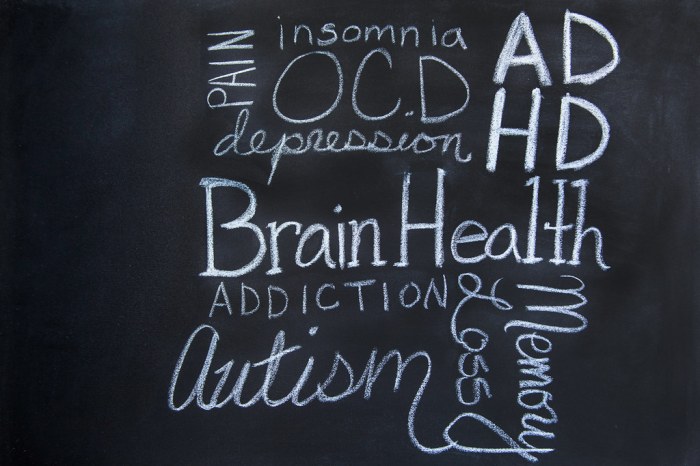
Mental health medication is a vital component of treatment for various psychological disorders, offering individuals relief and stability. With a myriad of options available, it’s essential to understand the different types of medications, their potential side effects, and how they fit into a broader treatment plan.
This overview aims to shed light on the relationship between mental health medications and other therapeutic interventions, as well as their interconnectedness with aspects like dental health, ensuring a holistic approach to well-being.
Understanding Mental Health Medication
Mental health medications are a vital component in the treatment of various mental health disorders, offering relief from symptoms and helping individuals lead more fulfilling lives. With a range of medications available, it is essential to understand their types, potential side effects, and the criteria healthcare professionals use to determine their appropriateness for each patient.
Types of Medications for Mental Health Disorders
There are several categories of medications used to treat mental health conditions, each targeting different symptoms and disorders. Understanding these categories helps in recognizing how they function and their intended effects.
- Antidepressants: These medications are primarily used to treat depression and anxiety disorders. Common classes include selective serotonin reuptake inhibitors (SSRIs), serotonin-norepinephrine reuptake inhibitors (SNRIs), and tricyclic antidepressants (TCAs).
- Antipsychotics: Typically prescribed for schizophrenia and bipolar disorder, these medications help manage symptoms such as hallucinations and delusions. They can be divided into first-generation (typical) and second-generation (atypical) antipsychotics.
- Anxiolytics: Often used for anxiety disorders, these medications provide short-term relief from anxiety symptoms. Benzodiazepines are a common class within this category.
- Mood Stabilizers: Mainly prescribed for bipolar disorder, mood stabilizers help to regulate mood swings. Lithium is one of the most well-known medications in this group.
- Stimulants: Typically used to treat attention-deficit hyperactivity disorder (ADHD), stimulants enhance focus and attention. Commonly prescribed stimulants include amphetamines and methylphenidate.
Common Side Effects and Risks Associated with Medications
Understanding the potential side effects and risks associated with mental health medications is crucial for informed decision-making. While these medications can significantly improve quality of life, they may also come with unpleasant side effects.
- Antidepressants may cause nausea, weight gain, sexual dysfunction, and insomnia.
- Antipsychotics can lead to sedation, weight gain, metabolic syndrome, and in some cases, tardive dyskinesia, a movement disorder.
- Anxiolytics may result in drowsiness, dependence, and withdrawal symptoms when discontinuing use.
- Mood stabilizers can cause gastrointestinal issues, weight gain, and potential thyroid dysfunction with long-term use.
- Stimulants may result in insomnia, increased heart rate, and potential for abuse or dependency.
Criteria for Prescribing Mental Health Medications
Healthcare professionals use specific criteria when determining whether to prescribe mental health medications. Understanding these criteria can demystify the decision-making process involved in treatment.
- Diagnosis: A clear diagnosis based on established criteria, such as those found in the DSM-5 (Diagnostic and Statistical Manual of Mental Disorders), is essential for determining the appropriate medication.
- Severity of Symptoms: The intensity and impact of symptoms on daily functioning guide the need for pharmacological intervention. More severe symptoms may warrant medication in conjunction with therapy.
- Previous Treatment Response: Healthcare providers consider past responses to medications, including successes and adverse effects, to tailor future treatment plans.
- Patient Preferences: Involving patients in the treatment decision process ensures their concerns and preferences are respected, making adherence to medication more likely.
- Comorbid Conditions: The presence of other physical or mental health conditions can influence medication choices, necessitating a comprehensive assessment by the clinician.
The Role of Mental Health Medication in Treatment
Mental health medications play a crucial role in the comprehensive treatment of various mental health conditions. They are often a vital component in a broader treatment plan that includes various therapeutic methods. Understanding how these medications fit into a multi-faceted approach can significantly enhance treatment outcomes for individuals dealing with mental health issues.Within a broader treatment plan, mental health medications can help stabilize emotions, manage symptoms, and improve the overall quality of life for individuals.
They are typically prescribed in conjunction with other therapeutic practices, such as psychotherapy, which address the underlying issues contributing to mental health conditions. This integrated approach ensures that patients receive holistic care that targets both the biological and psychological aspects of their mental health.
Importance of Therapy Alongside Medication
While medication can be effective in alleviating symptoms, therapy provides essential tools and strategies for long-term mental health management. The combination of therapy and medication can lead to more sustainable results. Therapy focuses on behavioral changes, coping mechanisms, and understanding the root causes of mental health disorders.The integration of therapy in treatment plans serves several purposes, such as:
- Enhancing self-awareness: Therapy helps individuals understand their thoughts and emotions, fostering self-reflection.
- Developing coping strategies: Therapy equips patients with techniques to manage stressors and triggers effectively.
- Addressing behavioral patterns: Therapeutic methods can unearth and rectify maladaptive behaviors contributing to mental health issues.
- Building a support network: Therapy can also facilitate connections with support groups, which can be beneficial for recovery.
The synergy between medication and therapy can make a significant difference in the treatment of mental health conditions.
Effectiveness of Medication Versus Therapy for Various Conditions
When comparing the effectiveness of medication and therapy, it is essential to recognize that different mental health conditions may respond better to one treatment over the other. For instance, conditions such as severe depression or bipolar disorder often require medication for stabilization, as medication can address chemical imbalances in the brain more rapidly than therapy alone.However, for conditions like anxiety or mild depression, therapy might be equally, if not more, effective.
Cognitive Behavioral Therapy (CBT) has shown significant results in treating anxiety disorders by changing negative thought patterns. Here’s a quick overview of how various mental health conditions respond to medication versus therapy:
| Mental Health Condition | Medication Effectiveness | Therapy Effectiveness |
|---|---|---|
| Major Depressive Disorder | High | Moderate to High |
| Bipolar Disorder | High | Moderate |
| Anxiety Disorders | Moderate | High |
| Post-Traumatic Stress Disorder (PTSD) | Moderate | High |
| Obsessive-Compulsive Disorder (OCD) | High | High |
It’s important to note that results can vary significantly among individuals. Therefore, a personalized approach that may include both medication and therapy is often the best strategy for effective treatment.
“Combining medication and therapy can provide a more comprehensive treatment approach, addressing both the symptoms and the underlying causes of mental health conditions.”
Interconnections Between Mental Health and Dentistry

The relationship between mental health and dental health is a complex one, where each domain can significantly influence the other. Mental health conditions such as anxiety and depression can lead to neglect of oral hygiene, resulting in dental issues such as cavities and gum disease. Conversely, poor dental health can exacerbate mental health problems, creating a vicious cycle that impacts overall well-being.Understanding the interplay between these two fields is essential for providing comprehensive care.
Mental health screenings in dental practices have become increasingly important, as they can identify patients who may require additional support. These screenings can help dental professionals recognize signs of anxiety or depression, facilitating timely referrals to mental health services. Such proactive measures not only enhance patient care but also foster a more holistic approach to health.
Impact of Mental Health on Dental Health
Mental health conditions can have a profound effect on dental health, often resulting in physical consequences that require attention. For example, individuals with anxiety disorders may experience teeth grinding (bruxism), leading to tooth wear, jaw pain, and headaches. Depression can result in a lack of motivation to maintain oral hygiene routines, contributing to an increased risk of cavities and periodontal disease.Several factors illustrate this connection:
- Neglect of Oral Hygiene: Those experiencing depression may struggle with daily routines, including brushing and flossing, leading to deteriorating oral health.
- Dietary Choices: Mental health conditions can influence eating habits, resulting in a preference for sugary foods or neglecting nutritious options, which can further harm dental health.
- Increased Pain Sensitivity: Mental health disorders may heighten a person’s sensitivity to pain, making dental procedures more daunting and leading to avoidance of necessary care.
Importance of Mental Health Screenings in Dental Practices
Integrating mental health screenings within dental settings is crucial for early identification of issues that may affect treatment outcomes. These screenings allow dental professionals to assess the mental health status of their patients, ensuring a supportive environment that addresses the psychological aspect of care.Key points regarding the implementation of mental health screenings include:
- Identification of Underlying Issues: By incorporating screening tools, dental professionals can identify patients who may be struggling with anxiety or depression, which can influence their dental care.
- Improved Patient Compliance: Recognizing and addressing mental health can improve patients’ willingness to attend dental appointments and follow through with treatment plans.
- Enhanced Collaboration: Screenings encourage communication between dental and mental health professionals, fostering a multidisciplinary approach that enhances patient care.
Medications Used in Dentistry and Their Interaction with Mental Health Medications
In dental practices, various medications are utilized for anesthesia, pain management, and treatment of infections. It is crucial to understand how these medications interact with mental health medications, as adverse effects can occur that impact patient safety.Some common dental medications include:
- Local Anesthetics: Used for pain control during procedures. These can interact with certain psychiatric medications, leading to altered metabolism or increased side effects.
- Nitrous Oxide: Often administered for sedation, it may exacerbate symptoms for patients on certain antidepressants or anti-anxiety medications.
- Antibiotics: Frequently prescribed for infections, they can interfere with the efficacy of some psychiatric medications, necessitating careful consideration by the prescribing dentist.
Understanding these interactions is essential for preventing complications and ensuring that both dental and mental health needs are met safely and effectively.
Closing Notes
In summary, mental health medication plays a crucial role in managing disorders, particularly when combined with therapy and a supportive healthcare framework. By recognizing how these medications impact both mental and physical health, individuals can make more informed choices about their treatment plans and work towards a healthier future.
FAQ Section
What are the common types of mental health medications?
The most common types include antidepressants, antipsychotics, mood stabilizers, and anti-anxiety medications.
How long does it take for mental health medication to work?
It can take several weeks for medications to show their full effects, depending on the type and individual response.
Can mental health medications be stopped suddenly?
No, it’s important to consult a healthcare professional before stopping any medication to avoid withdrawal symptoms or relapse.
Are there any natural alternatives to mental health medications?
Some people may explore therapy, lifestyle changes, or supplements, but these should be discussed with a healthcare provider.
How do mental health medications impact physical health?
Some medications may have side effects that affect physical health, such as weight gain or changes in metabolism, so monitoring is essential.