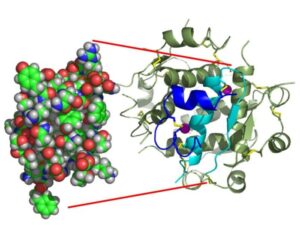
Precision medicine is reshaping the landscape of healthcare, offering tailored medical solutions that cater to the unique genetic makeup of individuals. This innovative approach not only enhances the effectiveness of treatments but also minimizes adverse effects, paving the way for a more personalized patient experience. With advancements in genomics, diseases once challenging to treat are now being approached with precision, leading to remarkable success stories.
From oncology to chronic disease management, the implications of precision medicine are vast and transformative. By leveraging genetic information, healthcare providers can develop targeted therapies that resonate with patients on a personal level, ensuring that each individual receives care that truly meets their needs.
Introduction to Precision Medicine
Precision medicine represents a transformative approach in healthcare, aiming to tailor medical treatment to the individual characteristics of each patient. This method moves away from the traditional one-size-fits-all model, recognizing that each person’s genetic makeup, lifestyle, and environment can significantly influence their health outcomes. As a result, precision medicine enhances the effectiveness of treatments and reduces the occurrence of adverse effects.Genomics plays a pivotal role in the implementation of precision medicine.
By analyzing an individual’s genetic information, healthcare providers can identify specific genetic variations that may influence how a person responds to certain medications or therapies. This tailored approach leads to more effective treatment plans that are customized based on a person’s unique genetic profile.
Examples of Diseases Benefiting from Precision Medicine
Numerous diseases have seen significant advancements due to precision medicine strategies. These examples illustrate the impact of this approach on treatment efficacy and patient outcomes:
- Cancer: Targeted therapies like trastuzumab (Herceptin) for HER2-positive breast cancer exemplify how genomic insights can lead to personalized treatment options that improve survival rates.
- Cystic Fibrosis: The development of ivacaftor (Kalydeco) has transformed the lives of patients with specific mutations in the CFTR gene, providing a targeted treatment that addresses the underlying cause of the disease.
- Cardiovascular Diseases: Genetic testing can identify individuals at risk for familial hypercholesterolemia, allowing for early interventions that can prevent heart disease.
- HIV: Genomic information helps tailor antiretroviral therapies to individual patients, optimizing treatment and improving adherence and outcomes.
The precision medicine framework not only enhances the way diseases are treated but also promotes a deeper understanding of health at the molecular level, paving the way for future healthcare innovations. The integration of genomic data, coupled with advances in technology, is reshaping the landscape of medicine and offering new hope to countless patients.
Applications of Precision Medicine in Various Fields
Precision medicine is revolutionizing healthcare practices by allowing for tailored treatment plans based on individual characteristics. This approach enhances the understanding of diseases and optimizes treatment strategies, leading to enhanced patient outcomes and more effective health management across various fields.
Precision Medicine in Oncology
In oncology, precision medicine is fundamentally changing how cancer treatment plans are developed. By analyzing genetic, environmental, and lifestyle factors, oncologists can create individualized treatment strategies that target the specific characteristics of a patient’s tumor. This leads to more effective therapies and reduced side effects, as treatments are no longer based on a one-size-fits-all approach. For instance, targeted therapies like trastuzumab (Herceptin) for HER2-positive breast cancer showcase the power of precision oncology.
Patients with specific genetic markers receive tailored therapies that significantly improve survival rates. Furthermore, genomic profiling of tumors allows for the identification of mutations that drive cancer growth, enabling clinicians to choose therapies that specifically inhibit those pathways.
Reshaping Pharmacogenomics in Drug Development
Precision medicine is also reshaping the field of pharmacogenomics, which studies how genes affect a person’s response to drugs. This discipline is pivotal in drug development as it facilitates the design of medications that are customized to individuals based on their genetic makeup.By understanding genetic variations in drug metabolism, researchers can predict which patients will benefit from a particular treatment and which might experience adverse reactions.
For example, the anticoagulant warfarin requires careful dosage adjustments based on genetic factors related to its metabolism. Such insights inform clinical practices and enhance the safety and efficacy of drug therapies, leading to more personalized treatment regimens.
Managing Chronic Diseases with Precision Medicine
Chronic diseases like diabetes and cardiovascular conditions are increasingly managed with precision medicine approaches. For diabetes, individual variations in genetics, lifestyle, and diet influence how patients respond to treatments. Precision medicine allows healthcare providers to tailor insulin therapies and lifestyle interventions that suit each patient’s unique profile, improving management and outcomes.In cardiovascular care, precision medicine facilitates the identification of genetic predispositions to conditions such as hypertension and coronary artery disease.
By utilizing genetic screening and biomarker assessments, clinicians can recommend preventive measures and personalized treatments that significantly reduce the risk of complications and enhance patient quality of life.In summary, precision medicine is not only optimizing cancer treatment but is also transforming drug development and chronic disease management, showcasing its broad applicability and potential to improve healthcare outcomes.
The Intersection of Precision Medicine and Dentistry
Precision medicine is revolutionizing healthcare, and its principles can be seamlessly integrated into dental care and treatment. By tailoring dental practices to individual patient characteristics, including genetics, lifestyle, and environmental factors, practitioners can enhance treatment effectiveness and improve overall patient satisfaction. The shift towards personalized approaches in dentistry not only elevates the standard of care but also fosters a more proactive stance in managing oral health.Applying precision medicine in dental care involves a comprehensive assessment of a patient’s unique biological and behavioral factors, leading to customized treatment plans.
This personalization can manifest in various ways, from selecting specific materials for restorations that cater to a patient’s allergies or sensitivities to utilizing advanced diagnostic tools that provide insights into individual risk factors for dental diseases.
Personalized Dentistry for Improved Outcomes
The move towards personalized dentistry is proving to enhance patient outcomes significantly. By focusing on individual patient profiles, dental professionals can identify the most effective treatment options while minimizing potential risks. This approach leads to a variety of benefits, including:
- Enhanced treatment precision: Tailoring procedures to fit the unique needs and conditions of each patient ensures more successful outcomes.
- Higher patient satisfaction: When patients feel their specific needs are acknowledged and addressed, it fosters trust and confidence in their care.
- Prevention of adverse reactions: Personalized plans can help prevent complications by considering a patient’s medical history and genetic predispositions.
These factors underscore the importance of adopting personalized strategies in dental practices, ultimately leading to better health results and improved quality of life for patients.
Innovative Technologies in Precision Dentistry
Innovative technologies are at the forefront of transforming precision dentistry. Tools such as 3D printing and artificial intelligence (AI) are enabling dental professionals to provide highly customized care. The integration of these technologies facilitates more accurate diagnoses and treatment plans.D printing plays a crucial role in creating patient-specific dental devices, including crowns, bridges, and aligners. This technology allows for rapid prototyping, reducing the time needed for fabrication while ensuring a perfect fit that enhances comfort and functionality.
The precision of 3D printing also minimizes material waste and lowers costs, making customized solutions more accessible.AI is another groundbreaking technology in precision dentistry, capable of analyzing vast amounts of data quickly and accurately. From predicting oral health issues to optimizing treatment protocols, AI can enhance decision-making processes. For instance, AI algorithms can assess radiographic images to detect cavities or periodontal disease at an earlier stage than traditional methods, leading to timely interventions.
“Precision dentistry, powered by innovative technologies, marks a significant advancement in providing tailored care that meets the unique needs of each patient.”
The convergence of precision medicine and advanced technologies in dentistry is not just a trend; it represents a paradigm shift that will shape the future of oral healthcare, ensuring that patients receive the best possible outcomes tailored specifically to their needs.
Last Point
In conclusion, precision medicine stands as a beacon of hope in the modern healthcare era, bridging the gap between generalized treatments and personalized care. As the field continues to evolve, the potential for improved patient outcomes grows exponentially, showcasing the power of science in transforming lives. Embracing these advancements not only enhances treatment efficacy but also redefines the patient experience, making healthcare more accessible and effective for all.
FAQ Corner
What is precision medicine?
Precision medicine is a healthcare approach that tailors medical treatments to the individual characteristics of each patient, including their genetic profile.
How does genomics play a role in precision medicine?
Genomics provides insights into the genetic factors that influence health and disease, allowing for more targeted and effective treatments.
What are some diseases that have benefited from precision medicine?
Cancers, diabetes, and cardiovascular diseases are among the conditions that have seen significant advancements through precision medicine.
Can precision medicine improve drug development?
Yes, precision medicine is reshaping pharmacogenomics, leading to the development of drugs that are more effective and have fewer side effects for specific patient groups.
How is precision medicine applied in dentistry?
In dentistry, precision medicine enhances treatment outcomes through personalized care plans and the use of innovative technologies like 3D printing and AI.
![Remote [1993 Video] - fruitbittorrent](https://alitiio.info/wp-content/uploads/2025/06/remote-300x250.jpg)