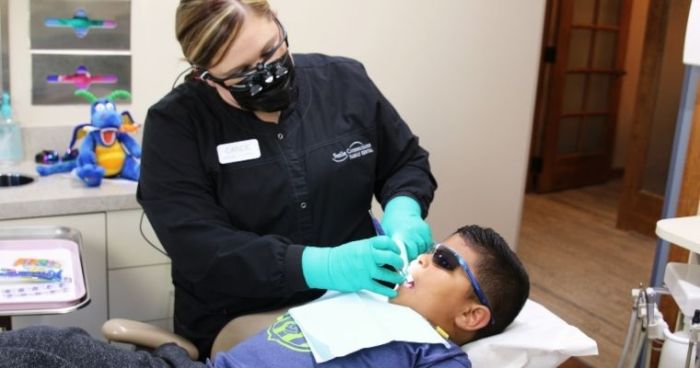
Preventive dental care is more than just a routine; it’s a vital practice that helps keep your smile bright and your mouth healthy. By focusing on prevention, you can avoid a myriad of dental issues that could cost you time, money, and discomfort. Understanding the key components of preventive care not only empowers you to take charge of your oral health but also reveals how interconnected dental wellness is with your overall well-being.
Regular dental check-ups, proper brushing and flossing, and preventive treatments like fluoride and sealants are crucial in saving not just your teeth but your overall health as well. With statistics showing how preventive care can significantly reduce long-term costs and risks of severe dental problems, investing in your smile today pays off tomorrow.
Importance of Preventive Dental Care
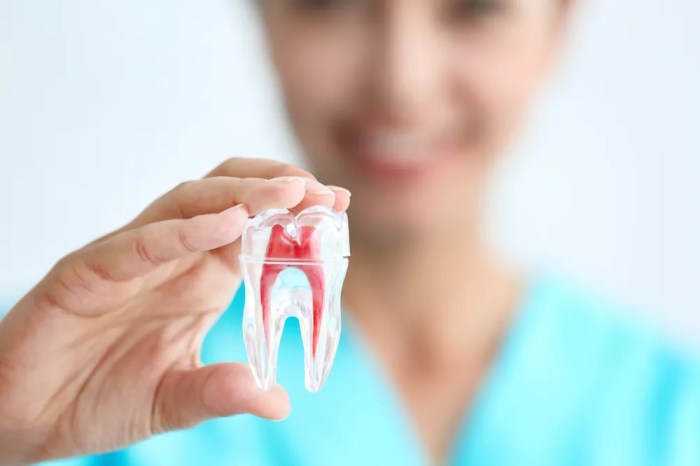
Preventive dental care plays a vital role in maintaining not only oral health but also overall wellness. Regular dental check-ups and cleanings are essential for identifying potential problems before they become serious. This proactive approach not only enhances the quality of life but also contributes to significant savings in dental expenses over time.Regular dental check-ups serve as a crucial first line of defense against various dental issues.
During these visits, dentists can detect early signs of cavities, gum disease, and even oral cancer, allowing for timely intervention. Preventive care helps in reducing the risk of serious dental problems that can lead to pain, tooth loss, and costly treatments. Studies show that individuals who engage in regular preventive dental care can significantly reduce the need for extensive procedures, such as root canals and extractions.
Financial Benefits of Preventive Dental Care
Investing in preventive dental care is not only beneficial for oral health but also for financial well-being. By visiting the dentist regularly, patients can avoid complex and expensive treatments that may arise from neglecting oral health. Here are some key statistics that illustrate the cost-effectiveness of preventive dental care:
- According to the American Dental Association, every dollar spent on preventive dental care can save up to $50 in future dental treatments.
- A study published in the Journal of Dental Research found that patients who regularly visit the dentist for check-ups are 40% less likely to incur costly emergency dental procedures.
- By maintaining regular dental visits, patients can reduce the likelihood of developing periodontal disease, which can cost upwards of $1,000 for treatment if left unchecked.
“Prevention is the best medicine.” This adage rings particularly true in dentistry, where proactive care can lead to a healthier mouth and a healthier wallet.
Preventive dental care encompasses various practices, including professional cleanings, sealants, and fluoride treatments. These measures not only help to maintain oral hygiene but also serve to educate patients about proper dental care at home. Emphasizing the importance of regular brushing and flossing can have a lasting impact on long-term dental health.
Key Components of Preventive Dental Care
Preventive dental care is essential for maintaining oral health and avoiding costly treatments down the line. By incorporating simple daily habits and regular professional care, individuals can significantly reduce the risk of dental diseases. This section delves into the fundamental practices and treatments that comprise an effective preventive dental care routine.
Daily Oral Hygiene Practices
Brushing and flossing are the cornerstones of daily oral hygiene. For optimal results, it’s important to follow recommended guidelines. Here are the key practices:
- Brushing: Brush your teeth at least twice a day for two minutes each time using fluoride toothpaste. This helps to remove food particles and plaque that can lead to cavities and gum disease.
- Flossing: Daily flossing is crucial in removing debris and plaque from between teeth that a toothbrush cannot reach. Proper flossing technique can prevent gum inflammation and decay.
Importance of Regular Dental Cleanings
Regular dental cleanings are vital for maintaining health and preventing serious dental issues. Dental professionals recommend visiting the dentist every six months. During these visits, dental hygienists perform deep cleaning to eliminate tartar and plaque buildup.
“Professional cleanings are essential for maintaining optimal dental health and preventing future oral problems.”
The cleaning process typically includes:
- Scaling: Removal of plaque and tartar from the teeth and below the gum line.
- Polishing: Smoothing the surfaces of teeth to make it harder for plaque to adhere.
- Fluoride treatment: Application of fluoride to strengthen tooth enamel and combat decay.
Fluoride Treatments and Dental Sealants
Fluoride treatments and dental sealants are preventive measures that enhance tooth protection. Fluoride helps in remineralizing tooth enamel, making it more resistant to decay.
- Fluoride Treatments: These are applied in a concentrated form at the dentist’s office, providing a higher level of protection than typical toothpaste alone. Regular treatments can be especially beneficial for children and those at higher risk for cavities.
- Dental Sealants: These are thin, protective coatings applied to the chewing surfaces of molars. Sealants act as a barrier against food particles and plaque, significantly reducing the risk of cavities in young children and adolescents.
Incorporating these components into a daily routine promotes a healthier mouth and can lead to a lifetime of good oral health.
Role of Dentistry in Preventive Health
Preventive dental care plays a crucial role in maintaining overall health and wellness. Good oral hygiene and regular dental check-ups not only ensure a healthy mouth but also help in preventing various health issues that may arise due to poor dental practices. It’s essential to recognize that oral health is intricately linked to overall health, affecting various bodily systems.Dental health significantly impacts overall wellness, influencing both physical and mental health.
Poor oral hygiene can lead to dental problems such as cavities and gum disease, which may escalate to more serious health conditions. Research has shown that there exists a strong connection between oral health and systemic diseases such as diabetes and heart disease. For instance, individuals with gum disease are at a higher risk of developing diabetes, and vice versa, as inflammation and bacterial infections in the mouth can affect blood sugar control.
Similarly, oral bacteria can enter the bloodstream, potentially leading to cardiovascular diseases.
Connection Between Oral Health and Systemic Diseases
Understanding the relationship between oral health and systemic diseases is crucial for both patients and health professionals. The impact of oral health extends beyond the mouth.
The mouth serves as a gateway to the body, and any infection present can have systemic implications.
Chronic conditions can be exacerbated by poor oral hygiene, leading to a vicious cycle of health deterioration. Here are a couple of examples illustrating this connection:
Diabetes
Individuals with diabetes are more susceptible to gum disease due to fluctuating blood sugar levels that can impair healing and increase inflammation.
Heart Disease
Bacteria from gum disease can enter the bloodstream, contributing to inflammation and potentially leading to heart conditions.
Preventive Dental Care Practices Across Different Age Groups
The approach to preventive dental care varies across different age groups. Each group has specific needs when it comes to dental health, making tailored preventive practices essential. Below is a comparison of preventive dental care practices for children, adults, and seniors.
| Age Group | Preventive Practices |
|---|---|
| Children |
|
| Adults |
|
| Seniors |
|
Closing Summary
In conclusion, preventive dental care stands as the foundation of oral health that can lead to a lifetime of beautiful smiles and reduced health risks. By prioritizing regular check-ups and adopting essential dental practices, you not only enhance your dental hygiene but also contribute to your overall health. So take the first step today; your future self will thank you!
Clarifying Questions
How often should I visit the dentist for preventive care?
It is generally recommended to visit the dentist every six months for regular check-ups and cleanings.
What are the benefits of fluoride treatments?
Fluoride treatments help strengthen tooth enamel and reduce the risk of cavities.
Can preventive dental care save me money?
Yes, preventive care can help you avoid costly procedures by addressing issues before they become serious.
Do children need preventive dental care?
Absolutely! Children benefit from preventive care to establish good dental habits and prevent future issues.
What role does diet play in preventive dental care?
A balanced diet low in sugar can help prevent cavities and maintain overall oral health.