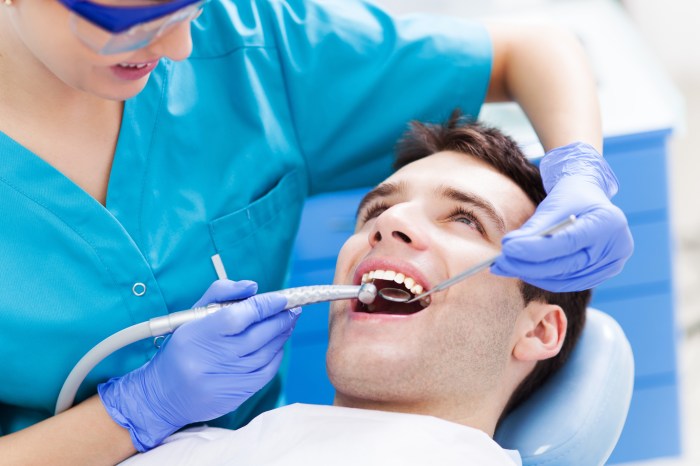
Emergency dental care is crucial when unexpected dental issues arise, demanding immediate attention. From a sudden toothache that won’t go away to a lost tooth during a weekend soccer game, knowing how to respond can make all the difference. This guide explores the most common dental emergencies, effective treatment options, and preventive measures to help you navigate through any dental crisis with confidence.
Understanding the types of situations that necessitate urgent dental care allows individuals to act swiftly, reducing pain and potentially saving teeth. We will cover practical steps to take when encountering these emergencies and the importance of aftercare to ensure long-lasting dental health.
Emergency Dental Situations
Dental emergencies can occur unexpectedly and often require immediate attention to prevent further complications. Understanding the common types of dental emergencies and how to manage them can make a significant difference in outcomes. This discussion focuses on the key situations that necessitate urgent care, along with practical steps for addressing them effectively.
Common Types of Dental Emergencies
Several situations qualify as dental emergencies that call for prompt care. Recognizing these can help individuals act swiftly and appropriately. The following are common dental emergencies:
- Knocked-out Tooth: This occurs when a tooth is completely dislodged from its socket, which can happen due to an accident or injury.
- Severe Toothache: Intense pain often indicates underlying issues such as infections or cavities that require immediate evaluation.
- Chipped or Broken Tooth: Damage from biting down on hard objects or trauma can lead to fractures that may expose nerves.
- Lost Filling or Crown: When a filling or crown comes loose, it can lead to discomfort and increased risk of decay.
- Abscess or Swelling: Infections that result in swelling can signal a dental abscess, requiring urgent treatment to prevent further complications.
Handling a Knocked-out Tooth
If a tooth has been knocked out, immediate action is crucial to increase the chances of saving the tooth. Follow these steps for effective management:
1. Retrieve the Tooth
Handle the tooth by the crown (the top part), avoiding touching the root.
2. Rinse Gently
If the tooth is dirty, rinse it gently in water. Do not scrub or use soaps or chemicals.
3. Reinsert if Possible
If it is safe to do so, try to place the tooth back into the socket. Ensure it is facing the right direction.
4. Store Safely
If reinsertion isn’t possible, keep the tooth moist. Place it in a cup of milk or a saline solution, or hold it in your mouth between the gum and cheek.
5. Seek Immediate Dental Care
Visit a dentist within 30 minutes for the best chance of reattachment.
Managing Severe Toothaches
Before visiting a dentist for a severe toothache, there are temporary measures that can help alleviate discomfort. Consider the following methods:
- Over-the-Counter Pain Relievers: Nonsteroidal anti-inflammatory drugs (NSAIDs) such as ibuprofen can effectively reduce pain and inflammation.
- Cold Compress: Applying a cold pack to the outside of the cheek can help numb the area and reduce swelling.
- Clove Oil: This natural remedy can provide temporary relief due to its numbing properties when applied to the affected area.
- Saltwater Rinse: Gargling with warm saltwater can help cleanse the area and may reduce discomfort.
- Elevate the Head: Keeping the head elevated can minimize blood flow to the affected area, reducing throbbing pain.
In dental emergencies, quick and informed responses can save not only teeth but also alleviate severe discomfort.
Treatment Options in Emergency Dental Care
In emergency dental situations, timely and effective treatment options are crucial to managing pain and preventing further complications. Understanding the various treatment methods available for conditions like dental abscesses can significantly enhance patient outcomes. The following sections will explore different treatment options tailored to urgent dental issues, pain management techniques, and the steps involved in dental restoration after trauma.
Treatment Options for Dental Abscesses
Dental abscesses are localized infections that can lead to severe pain, swelling, and potential systemic issues if not treated promptly. Several treatment options are available in emergency settings, each tailored to the specific circumstances of the patient.
Drainage of the Abscess
This is often the first step in treating a dental abscess. A dentist will make a small incision in the abscess to allow pus to drain, providing immediate relief from pressure and pain.
Antibiotics
If the infection has spread or the patient is immunocompromised, antibiotics may be prescribed alongside drainage to help control the infection. Common antibiotics include amoxicillin, clindamycin, or metronidazole.
Root Canal Treatment
If the infection affects the tooth’s pulp, a root canal may be required. This involves removing the infected pulp, cleaning the canal, and sealing it to prevent further infection.
Extraction
In cases where the tooth is severely compromised and cannot be saved, extraction may be the best option. This is typically a last resort when other treatments are not feasible.
Pain Management Techniques in Emergency Dental Care
Managing pain is a vital aspect of emergency dental care, as it can greatly affect the patient’s comfort and overall experience. Various techniques are employed to ensure effective pain relief during dental emergencies.
Local Anesthesia
This is commonly used for procedures like abscess drainage or root canals. Local anesthetics, such as lidocaine, numb the specific area, allowing the dentist to perform the necessary treatment without causing discomfort.
Systemic Medications
In addition to local anesthesia, systemic pain relief may be administered. Non-steroidal anti-inflammatory drugs (NSAIDs) like ibuprofen can help reduce pain and inflammation.
Sedation Dentistry
For anxious patients or more complex procedures, sedation techniques such as nitrous oxide or intravenous sedation may be used. This helps the patient feel relaxed and minimizes awareness during the procedure.
Post-treatment Pain Management
After the procedure, dentists often provide pain management instructions, including prescriptions for stronger painkillers if needed, and recommendations for over-the-counter medications.
Dental Restoration After Acute Trauma
In cases of acute dental trauma, such as fractures or avulsions, prompt restoration is essential to restore function and aesthetics. The process of dental restoration can vary based on the type and severity of the injury.
Assessment and Diagnosis
Initially, the dentist will perform a thorough examination, often using X-rays to evaluate the extent of the damage. This helps determine the most appropriate restorative approach.
Immediate Care for Avulsed Teeth
If a tooth has been knocked out, it should be handled by the crown, rinsed gently, and repositioned in the socket if possible. If immediate reimplantation is not feasible, storing the tooth in a glass of milk or saline can help preserve it until professional care is received.
Restorative Techniques
Depending on the injury:
*Composite Resin Fillings*
For minor fractures, dental composite can be used to rebuild the tooth structure.
*Crowns*
More severely damaged teeth may require a crown for complete restoration. Crowns are custom-fitted caps that cover the entire tooth, restoring its strength and appearance.
*Implants*
In cases of avulsed teeth that cannot be saved, dental implants may be the preferred long-term solution. This involves inserting a titanium post into the jawbone, which acts as a root for a replacement tooth.By addressing these key aspects of treatment options in emergency dental care, practitioners can ensure that patients receive the comprehensive care they need during urgent situations.
Preventive Measures and Aftercare
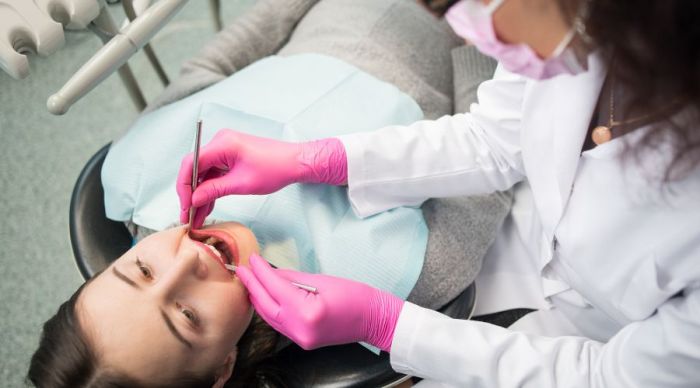
Maintaining optimal oral health is crucial in preventing dental emergencies. By incorporating routine care and being proactive, individuals can significantly reduce the risk of facing unexpected dental issues. This segment highlights essential preventive measures and Artikels detailed aftercare following emergency dental treatment, ensuring better long-term dental health.
Tips for Preventing Dental Emergencies
Implementing effective preventive measures can greatly reduce the likelihood of dental emergencies. Regular routines can help protect your teeth and gums. Here are some practical tips to consider:
- Maintain a consistent oral hygiene routine, including brushing twice a day with fluoride toothpaste and flossing daily.
- Schedule regular dental check-ups, ideally every six months, to catch potential issues early.
- Limit sugary and acidic foods, which can contribute to tooth decay and erosion.
- Wear a mouthguard when participating in contact sports or activities that pose a risk to dental health.
- Avoid using teeth as tools, such as opening packages or bottles, which can lead to chips or fractures.
- Stay hydrated and drink plenty of water to help wash away food particles and bacteria.
Checklist for Aftercare Following Emergency Dental Treatment
Proper aftercare following emergency dental treatment is vital for recovery and to prevent further complications. Adhering to aftercare guidelines can promote healing and ensure optimal results. Below is a checklist to follow:
- Follow your dentist’s specific instructions regarding medications and pain management.
- Apply ice packs to the affected area for the first 24 hours to reduce swelling.
- Avoid hard, crunchy, or sticky foods for at least a few days to protect the treated area.
- Maintain oral hygiene by gently brushing and rinsing, but be cautious around the treated area.
- Attend follow-up appointments as scheduled to monitor healing progress.
- Notify your dentist immediately if you experience severe pain, swelling, or unusual symptoms.
Importance of Regular Dental Check-Ups
Regular dental check-ups play a pivotal role in preventing dental emergencies. These visits allow for early detection of potential issues before they escalate into serious problems. Dentists can identify signs of decay, gum disease, and other underlying conditions that may not be apparent to patients.
“An ounce of prevention is worth a pound of cure.”
Dental professionals recommend scheduling check-ups every six months to ensure ongoing oral health. During these visits, a thorough cleaning helps remove plaque and tartar buildup, reducing the risk of cavities and periodontal disease. Additionally, professional assessments can lead to personalized care plans tailored to individual needs, promoting long-term dental health and minimizing the likelihood of emergencies.
Closing Notes
In conclusion, being well-informed about emergency dental care equips you with the tools needed to handle unexpected dental issues effectively. By recognizing dental emergencies, knowing the right treatment options, and following preventive measures, you can maintain your oral health and avoid unnecessary complications. Remember, a proactive approach can save you time, money, and discomfort in the long run!
FAQ Corner
What should I do if I knock out a tooth?
Rinse your mouth with warm water, locate the tooth, and handle it by the crown. If possible, gently place it back in the socket or keep it in a container of milk until you reach a dentist.
How can I relieve a severe toothache at home?
You can use over-the-counter pain relievers, apply a cold compress to the outside of your cheek, and rinse your mouth with warm salt water to alleviate discomfort temporarily.
Are dental abscesses serious?
Yes, dental abscesses can lead to serious health issues if left untreated, as they may result in the spread of infection. Seek emergency dental care if you suspect an abscess.
What are the signs of a dental emergency?
Signs include severe toothache, swollen gums, a knocked-out tooth, a broken tooth, or any injury to the mouth that causes bleeding or pain.
How can I prevent dental emergencies?
Maintain good oral hygiene, wear mouthguards during sports, avoid hard foods that can crack teeth, and visit your dentist regularly for check-ups.